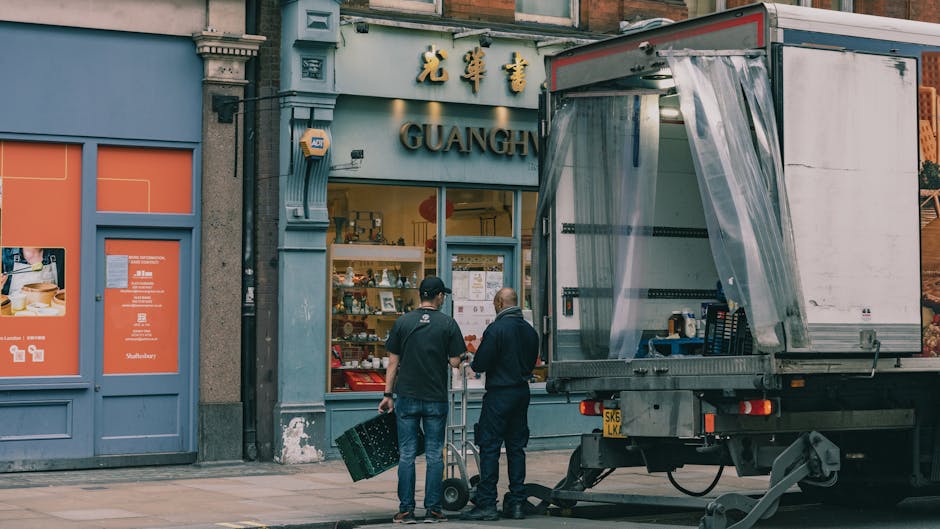
Shop relocations: moving a business in Strawberry Hill

Relocating a shop is never just about boxes and a van. If you are planning shop relocations: moving a business in Strawberry Hill, you are probably juggling trading hours, stock, staff, access, parking, and the awkward little question of how to keep customers informed without sounding like everything is in chaos. Truth be told, that is the real job: moving the business without moving the problem into next week.
Strawberry Hill has its own rhythm. Narrow roads, local parking pressure, residential neighbours, and the usual London timing issues can all shape how a move plays out. A good relocation plan keeps the business open for longer, protects stock, reduces stress, and avoids the kind of last-minute scramble that leaves everyone tired and slightly grumpy by mid-afternoon. This guide walks through the whole process in plain English, from planning and compliance to practical moving day decisions.
Whether you are shifting to a bigger unit, moving closer to footfall, downsizing, or relocating after a lease change, the aim is the same: get there cleanly, safely, and with as little disruption as possible.
- Why shop relocations matter in Strawberry Hill
- How the relocation process works
- Key benefits and practical advantages
- Who this is for and when it makes sense
- Step-by-step guidance
- Expert tips for better results
- Common mistakes to avoid
- Tools, resources and recommendations
- Law, compliance, standards, or best practice
- Options, methods, and comparison
- Case study or real-world example
- Practical checklist
- Conclusion
- Frequently asked questions
Why Shop relocations: moving a business in Strawberry Hill Matters
A shop move is a business decision, not just a logistics task. In Strawberry Hill, the details can matter even more because space is tight, road access can be tricky, and timing often has to work around local traffic patterns, nearby residents, and customer convenience. If you get the move wrong, you do not just risk a few delayed boxes. You can lose trading time, damage stock, frustrate customers, and create a messy first week in the new premises.
That is why shop relocations deserve proper planning. A well-run move helps you protect revenue, preserve your brand presence, and settle into the new space faster. It also gives you a chance to rethink layout, storage, displays, stockroom flow, and even the way customers move through the shop. A relocation can feel disruptive, yes, but it can also be a reset. Sometimes a good move is the cleanest way to fix problems that have been nagging you for years.
For local businesses, the location itself is part of the offer. If you are moving from one stretch of Strawberry Hill to another, you may be adjusting to different passing trade, parking conditions, pedestrian flow, or delivery access. That shift can affect everything from opening hours to how you handle replenishment. It is not glamorous. But it is real business thinking.
Expert summary: The best shop relocations in Strawberry Hill are the ones that treat logistics, customer communication, and trading continuity as one plan, not three separate problems.
How Shop relocations: moving a business in Strawberry Hill Works
Most shop relocations follow a similar pattern, although the exact shape depends on the size of the premises, the type of stock, and how much specialist equipment you have. In simple terms, the process usually starts with a site assessment, moves into planning and packing, and ends with transport, set-up, and a final check of the new space.
In practice, the moving day itself is only one part of the job. The more important work often happens beforehand. That includes measuring access points, checking parking arrangements, deciding what gets moved first, labelling stock and fixtures, and making sure everyone knows who is doing what. Sounds obvious. Often it is the obvious bits that go missing.
For a retail move, you also need to think about display units, tills, shelving, secure storage, and any equipment that cannot simply be tipped into a box. A florist, for example, may need a different moving sequence from a clothing boutique or phone accessories shop. The basic principle stays the same, but the packing and handling needs change.
A sensible relocation plan often includes:
- an inventory of stock, fixtures, and equipment
- a move date that avoids peak trading disruption where possible
- parking and loading arrangements for the vehicle
- safe handling for fragile, heavy, or high-value items
- clear labelling so set-up is quicker at the other end
- a customer communication plan for temporary closure or reduced opening hours
If you are using a professional team, you may also want to consider broader commercial support such as commercial moves or, for smaller retail jobs, a flexible man and van arrangement. The right choice depends on volume, urgency, and how much hands-on help you need.
Key Benefits and Practical Advantages
A well-managed shop move can deliver more than just a new address. Done properly, it can improve the way the business works every single day. That is the bit people sometimes overlook. They focus on the chaos of moving and forget that the new space may actually make life easier once everything is settled.
Here are some of the main advantages:
- Better customer experience: A new layout, improved visibility, or a more convenient location can help customers browse more comfortably.
- More efficient stock handling: A smarter back-of-house setup can reduce time wasted on carrying, sorting, and restocking.
- Room to grow: If the current site feels cramped, relocating can give you space for new lines, better displays, or extra storage.
- Improved operational flow: A move lets you rethink delivery routes, till placement, and staff movement.
- Potential brand refresh: A new shopfront or a fresh interior can support a relaunch without changing the core business.
There is also a psychological benefit. A clean, planned relocation can give staff a real sense of momentum. You can feel it on day one in the new place: the shelves are level, the stock is where it should be, and nobody is wandering around asking where the tape has gone. Little wins. They matter more than they should.
From a commercial point of view, moving can also be a chance to cut waste. If you are already sorting through old fixtures, redundant stock, or clunky display systems, you may decide to reuse less and streamline more. That is where services such as packing and unpacking services can save time, especially when your team needs to stay focused on the shop, not just the boxes.
Who This Is For and When It Makes Sense
Shop relocation makes sense for a wide range of businesses, not just larger retail chains. In Strawberry Hill, it could be a single independent store, a small boutique, a specialist service showroom, or a mixed retail-and-workspace business. If your current premises no longer fit the way you trade, it is probably time to think seriously about moving.
This guide is especially useful if you are:
- opening a new shop after leaving a previous site
- expanding into a bigger unit
- downscaling after a change in stock or staffing
- moving closer to your target customers
- relocating because of lease terms or property changes
- combining storage, office, and retail functions into one better-run space
It also matters if your shop has specific handling needs. Heavier display furniture, glass cabinets, refrigerated units, or awkwardly shaped stock all change the way a move should be planned. A tiny misstep can cost more than a few minutes; it can mean damaged items, delayed opening, or a frazzled team trying to improvise with a borrowed trolley. Nobody enjoys that. Nobody.
For businesses that need a more commercial setup, it can help to look at office relocation services alongside retail moving support, especially if your shop includes admin space, stock control desks, or upstairs back-office areas.
Step-by-Step Guidance
The simplest way to reduce stress is to treat the move like a project with stages. Here is a practical sequence that works well for many shop relocations.
1. Start with a site and stock review
Before anything gets packed, look at what is actually moving. Separate stock, display units, office items, and anything that is staying behind. This is the time to question what you really need. Do you want to pay to move a heavy old shelf that no longer fits the new layout? Maybe not.
2. Measure access at both premises
Measure doorways, corridors, staircases, loading areas, and any awkward corners. Strawberry Hill properties can throw up the usual London surprises: tighter access than expected, awkward street parking, or a bend in the route that makes a large item behave like it has developed opinions. If the new shop has limited access, that affects vehicle choice and unloading order.
3. Plan parking, timing, and loading
Think about how the vehicle will stop, where items will be carried, and how long loading may take. If your shop is near busy roads or residential areas, timing matters more than people expect. Early starts can help, but only if they fit with nearby restrictions and your own staffing pattern.
4. Label everything clearly
Label boxes by category and destination zone: front display, stockroom, till area, office, fragile, keep upright, and so on. Simple labels save real time later. It also means fewer "where does this go?" questions when everyone is already tired.
5. Pack in the right order
Start with low-priority items, archiving, off-season stock, and non-essential equipment. Leave daily-use items until last. If you are moving chilled products, fragile glass, or high-value stock, use dedicated packing methods and keep a careful checklist. There is no shortcut worth taking here.
6. Move fixtures and stock in a sensible sequence
Heavier items should usually be moved first, with lighter and more delicate items following. A good mover will think about weight distribution, vehicle protection, and the order of unloading. If the shop has stairs or narrow access, special handling may be needed for bulky items. It is a bit like a puzzle, only the pieces are expensive and mildly inconvenient.
7. Set up the new premises before reopening
Arrange the layout, check power points, test tills or card machines, and make sure stock is going where staff expect it to go. Don't rush to reopen if the basics are not right. A slow, tidy first hour in the new shop is usually better than a frantic first day with missing essentials.
8. Review the move after opening
Once you are trading again, take notes. What slowed things down? Which labels worked? Was there enough room at the loading point? This sort of review helps you if you ever relocate again, and yes, many businesses do move more than once over time.
Expert Tips for Better Results
There are a few things experienced movers and business owners tend to do that make a noticeable difference. They are not flashy, but they help.
- Book the move with your trading calendar in mind. Avoid your busiest weekend or a sales event if you possibly can.
- Create a "first hour" box. Put in keys, tape, basic cleaning items, charger leads, till essentials, and anything needed to trade or set up immediately.
- Keep one person in charge of decisions. Too many voices can slow everything down. One calm lead is worth a lot.
- Protect corners and glass early. The damage often happens when everyone is tired and thinks the last few items will be fine. That is usually when they are not.
- Use the move as a chance to declutter. Old signage, broken fixtures, and random stock that has lived in the back room for years can quietly drain space and budget.
One small but useful habit: take photos before dismantling fixtures or display areas. You will thank yourself later when you are trying to remember where the bracket went. Easy to laugh about until you are standing there with three spare screws and no clue.
Another tip is to speak with customers early, but simply. A plain message about temporary closure, reopening date, or reduced access usually works better than a long explanation. Most people are fine if they know what to expect.
Common Mistakes to Avoid
Most relocation problems are not dramatic. They are little things that pile up. The good news is that most of them can be avoided with a bit of forethought.
- Underestimating packing time: Shops often have more loose items, mixed stock, and fragile pieces than the team first realises.
- Ignoring access issues: If a van cannot park close enough, the move gets slower and more tiring very quickly.
- Not planning for downtime: Even a short closure can affect customers, so build a realistic timeline.
- Mixing stock with equipment: Keep categories separate or you will spend ages sorting everything at the other end.
- Forgetting insurance and security details: High-value stock and equipment deserve proper handling and cover.
- Leaving signage and local communication too late: Customers should not have to guess where you went.
One common mistake deserves special mention: trying to save money by moving too much at once with too few people. It sounds efficient. It usually is not. The result is tired staff, slower loading, and a higher chance of damage. Sometimes the cheapest plan is not the cheapest at all.
Tools, Resources and Recommendations
You do not need fancy kit for every shop move, but the right tools make a noticeable difference. The basics tend to be simple, sturdy, and boring in the best possible way.
- Removal trolleys and dollies: Helpful for heavy stock, boxes, and small fixtures.
- Protective wrapping: Use for fragile stock, glass, mirrors, or painted surfaces.
- Strong boxes and labels: If the box collapses, the system collapses with it.
- Floor and corner protection: Useful in both the old and new premises.
- Inventory sheets: Keep track of what is moving, what is stored, and what needs checking on arrival.
- Basic tools: Screwdrivers, tape, cutters, allen keys, and anything needed to dismantle shelving or displays.
If you are comparing moving support, a smaller job may suit a flexible service like man and van removals, while a larger retail project may be better handled as part of removal services. It really depends on volume, access, and how much you want handled on your behalf.
For businesses that want to understand pricing before committing, the page on pricing and quotes is a sensible place to start. If you are weighing up different levels of support, that kind of clarity is useful. Saves guessing. And nobody enjoys guessing when stock and rent are involved.
Useful related reading for local move planning includes Richmond Council permits for Strawberry Hill removals and whether you need a road closure for a Strawberry Hill move, especially if access or vehicle stopping space is tight.
Law, Compliance, Standards, or Best Practice
When a shop moves, legal and safety responsibilities do not disappear. You should always treat the relocation as a workplace activity with proper risk assessment and sensible precautions. That includes protecting staff, visitors, customers if they are on site, and anyone involved in loading or unloading.
In practical terms, that usually means:
- assessing manual handling risks before lifting heavy items
- making sure walkways and loading areas are kept clear
- checking whether permits or parking arrangements are needed for the vehicle
- keeping valuable items secure during transit and storage
- making sure electrical or specialist equipment is handled appropriately
- using suitable insurance cover for goods in transit and handling risks
If your shop handles stock with special storage needs, follow manufacturer guidance and common-sense protection during transit. Refrigerated goods, delicate electronics, breakables, and high-value merchandise all need more care than a standard box move. Best practice is often about not cutting corners, even when the day feels busy.
It is also sensible to review your broader policies if staff are involved in the move. Health and safety planning, loading responsibilities, and emergency contacts should be clear. If you want to understand how a provider approaches safety and handling, the site's health and safety policy and insurance and safety pages are useful reference points.
For post-move cleanup, waste sorting, or old display disposal, a sustainability-minded approach can help. See the page on recycling and sustainability if you are trying to reduce avoidable waste after the move.
Options, Methods, or Comparison Table
There is no single right way to move a shop. The best option depends on budget, urgency, stock type, and how much staff time you can spare. Here is a simple comparison to help you think it through.
| Approach | Best for | Strengths | Trade-offs |
|---|---|---|---|
| DIY move with staff | Very small shops with light stock | Lower direct spend, familiar team handling | More strain on staff, slower progress, higher risk of delays |
| Man and van support | Compact retail moves, mixed stock, quicker relocations | Flexible, practical, often efficient for smaller premises | May need more coordination from the business side |
| Full commercial removals | Larger shops, bulky fixtures, heavier logistics | More structured handling, better for complex moves | Usually requires more planning and a bigger budget |
| Phased move | Businesses that need to keep trading for longer | Less downtime, easier to separate stock and equipment | Can stretch the move out and create extra coordination |
If your shop is small and access is straightforward, a lighter service may be enough. If you have multiple fixtures, awkward staircases, or a lot of stock to move, a more comprehensive option is often better value in the long run. A slightly bigger vehicle, properly planned timing, and experienced handling can save hours. Sometimes more than hours.
Case Study or Real-World Example
Imagine a small independent lifestyle shop moving from a cramped unit to a slightly larger space in Strawberry Hill. The old premises had a narrow entrance, limited stockroom space, and nowhere decent to stage deliveries. The new shop is only a short distance away, but the frontage is different, the loading point sits in a busier stretch, and the layout needs complete rethinking.
In that situation, the business owner might start by identifying the stock that can be sold or cleared before the move. Then the display units are labelled by zone: front window, central display, tills, and stockroom. Fragile items are wrapped separately, and the move is scheduled for a quieter weekday to reduce disruption. One person handles customer messaging, one oversees stock, and the moving team focuses on transport and placement.
On moving day, the first truck run takes the heavier fixtures and boxed stock. The second run brings in the rest, and the new shop is set up in stages rather than all at once. That approach takes discipline, but it helps. By the time the doors reopen, the business knows where everything is, the till area works, and the stockroom is not a mystery cave of unlabeled boxes.
This is the kind of move that feels calmer because it has structure. Not because it was easy. There is a difference.
If a move like this needed extra handling or support with access, the business could look at broader movers support or a more dedicated removal company approach depending on size and complexity.
Practical Checklist
Use this as a working checklist before and during the move. It is simple on purpose.
- Confirm move date, access times, and who is supervising on the day
- Measure doors, corridors, stairs, and loading spaces at both premises
- Review parking needs and any permit or timing concerns
- Sort stock into keep, move, store, or dispose categories
- Pack fragile items separately and mark them clearly
- Label boxes by room, area, or function
- Prepare a first-hour box with essentials for reopening
- Back up any digital records related to stock or sales if relevant
- Check insurance cover and handling responsibilities
- Arrange customer signage, website updates, or social updates in advance
- Inspect the new site before unloading begins
- Test lights, power, till setup, and any equipment that must work immediately
- Keep a note of missing items, damage, or adjustments needed
A useful tip here: do one final walk-through of the old premises before leaving. Drawers, cupboards, under counters, all of it. It is surprising how often the good tape measure or the spare key ends up there, lurking quietly.
Get a free quote today and see how much you can save.
Conclusion
Shop relocations in Strawberry Hill work best when they are treated as a business project, not a last-minute lift-and-shift. The right plan protects stock, keeps staff calm, and gives your new premises a proper start. It also reduces the small annoyances that can become big ones fast: parking problems, unclear labels, awkward access, and reopening delays.
If you build in time for planning, choose the right support, and think carefully about the realities of local access, the move becomes much more manageable. You may even find the new space feels better from day one. Cleaner flow. Better layout. Less chaos in the back room. That sort of thing makes a difference, honestly.
And if the whole process feels a bit much right now, that is normal. A shop move is a lot. But with the right preparation, it is also a fresh start worth making.
Frequently Asked Questions
How far in advance should I plan a shop relocation in Strawberry Hill?
Ideally, start planning several weeks ahead, or longer for a larger or more complex move. You need time for access checks, packing, customer communication, and any parking or permit arrangements. The more stock and fixtures you have, the earlier you should begin.
Can a small shop move with a man and van service?
Yes, often it can. Smaller retail moves with modest stock, light fixtures, and straightforward access may suit a flexible setup rather than a large commercial move. The key is matching the vehicle and support level to the actual size of the job, not the hoped-for size.
What should I move first when relocating a business?
Start with non-essential stock, archived items, and fixtures that are not needed for daily trade. Keep essential tools, payment equipment, and opening-day items separate so they are easy to find and set up immediately at the new shop.
How do I reduce downtime during a shop move?
Plan the move around quieter trading periods where possible, label everything clearly, and have the new premises ready before reopening. A phased move can also help if you need to keep trading for longer. The goal is not zero disruption; it is controlled disruption.
Do I need to tell customers before I move my shop?
Yes, absolutely. Customers appreciate clear notice about closure dates, reopening plans, and any temporary changes. A simple sign, website update, or social post is usually enough. People are generally forgiving if they know what is happening.
What if the new shop has difficult access or narrow streets?
Then you should plan for it early. Measure carefully, check vehicle access, and think about loading points and timing. In Strawberry Hill, access can be the real deciding factor in whether the move feels smooth or mildly chaotic.
Are shop relocations covered by standard insurance?
Not always in the same way. Insurance varies, so you should check what is covered during packing, transit, loading, unloading, and storage. If you are moving high-value stock or specialist equipment, it is worth confirming the details before the move starts.
What is the biggest mistake businesses make when moving a shop?
Underestimating the amount of planning and packing time needed is probably the most common issue. Many owners focus on the new premises and forget that the old shop still has to be emptied properly, labelled carefully, and handed over in good order.
Should I declutter before a shop move?
Yes, if you can. Moving is a great time to clear damaged stock, obsolete signage, and fixtures you no longer need. It reduces transport load and makes the new layout easier to manage. A lighter move is usually a better move.
How do I choose between a removal company and a smaller van-based service?
Look at the volume of stock, the weight of fixtures, the complexity of access, and how much help you want on the day. A smaller service can be ideal for compact moves. A fuller commercial approach suits larger or more complicated relocations.
Can I keep trading while part of the shop is being moved?
Sometimes, yes. That depends on the layout, the work involved, and how much access you need on each side. Some businesses move in stages to reduce downtime, but this needs careful coordination so the trading area stays safe and usable.
What should I check at the new premises before opening again?
Check power, lighting, till setup, access routes, stock placement, signage, and any areas that could create a safety issue. It is also wise to walk the space once everything is in place and make sure the practical flow feels right. Small fixes now save big headaches later.