Strawberry Hill stairs: moving bulky furniture safely
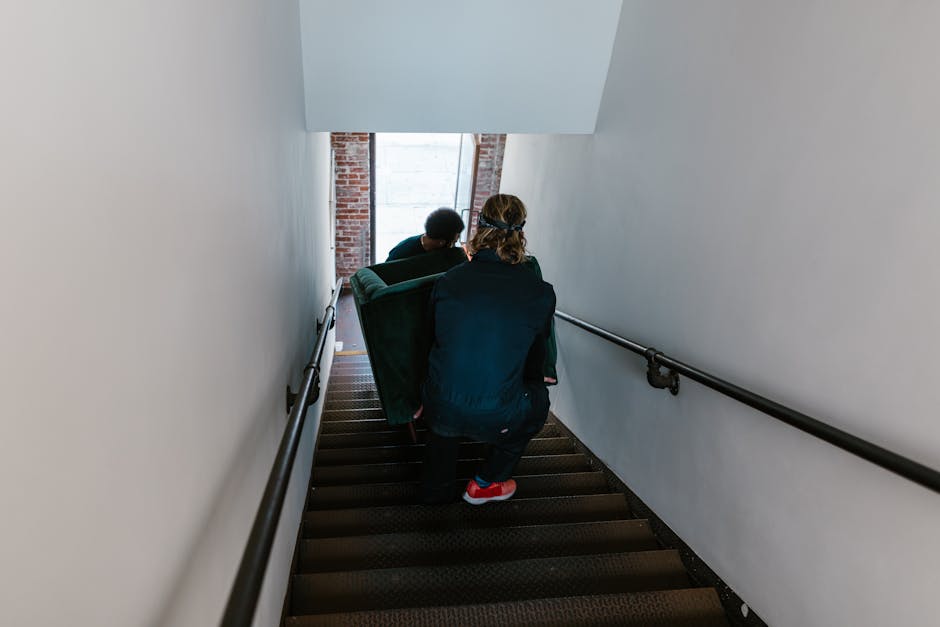
Trying to get a sofa, bed frame, wardrobe, or piano up or down stairs in Strawberry Hill can turn a normal moving day into a very awkward one, very quickly. Narrow landings, tight turns, polished timber, and one overconfident lift are usually enough to make things go wrong. If you are dealing with Strawberry Hill stairs: moving bulky furniture safely, the real goal is not brute strength. It is control, planning, and knowing when a two-person job should stay a two-person job.
This guide breaks down the practical side of moving heavy furniture in stairwells, flats, maisonettes, and older homes around the area. You will learn how to assess the route, protect walls and floors, use the right lifting approach, and reduce risk without making the process more complicated than it needs to be. Truth be told, a calm plan beats heroic guessing every time.
For readers preparing a full move, you may also find it helpful to look at decluttering before the move, packing methods that reduce strain, and furniture removals in Strawberry Hill if the job is too awkward to leave to chance.
Table of Contents
- Why Strawberry Hill stairs: moving bulky furniture safely Matters
- How Strawberry Hill stairs: moving bulky furniture safely Works
- Key Benefits and Practical Advantages
- Who This Is For and When It Makes Sense
- Step-by-Step Guidance
- Expert Tips for Better Results
- Common Mistakes to Avoid
- Tools, Resources and Recommendations
- Law, Compliance, Standards, or Best Practice
- Options, Methods, or Comparison Table
- Case Study or Real-World Example
- Practical Checklist
- Conclusion
- Frequently Asked Questions
Why Strawberry Hill stairs: moving bulky furniture safely Matters
Stairs change everything. A bulky item that feels manageable on a hallway floor can become unpredictable once gravity, turning points, and reduced visibility are involved. In Strawberry Hill, many properties have staircases that are more characterful than generous. That means bannisters, tight corners, and split-level layouts can all create extra friction during a move.
Moving furniture safely matters for three simple reasons. First, it protects people from strains, slips, pinched fingers, and sudden loss of balance. Second, it protects the property itself: chipped walls, dented stair edges, cracked skirting, and scratched floors are common when furniture is manoeuvred in a rush. Third, it protects the item you are moving. One bad twist can damage a sofa arm, loosen a bed frame, or warp a cabinet door.
There is also the emotional side of it. A move is already full of small pressures, boxes in the wrong room, somebody asking where the kettle went, that sort of thing. A stair accident adds noise and stress that nobody needs. The safer the approach, the easier it is to keep the day moving.
If you are trying to keep the wider move under control too, our guide to moving house without the stress is a useful companion piece.
How Strawberry Hill stairs: moving bulky furniture safely Works
Safe stair moving is really a sequence of decisions. You assess the item, measure the route, clear the space, choose the right carry method, and move slowly enough to keep control. It sounds almost too simple, but that is the point. The most reliable stair moves are rarely dramatic. They are methodical.
Start by working out whether the item can be moved in one piece. Some furniture needs to be partially dismantled before it even reaches the stairs. A bed frame, for instance, is usually easier to manage once the slats, headboard, and side rails are separated. Sofas can sometimes have feet removed. Wardrobes may need doors and shelves taken out first. That extra ten minutes can save a lot of shouting later.
Next, consider the geometry. Can the item pass a stair bend upright? Does it need to be tilted? Is the landing wide enough to rest and reset? These questions matter because the stairwell is not just a route; it is a working space. In smaller Strawberry Hill homes, the space for turning is often the hardest part, not the steps themselves.
Finally, think about the load balance. One person should not be fighting the whole weight. Better to have the item balanced between two people with a clear lead and a clear follower. The person at the lower end often carries more of the load on the stairs, so communication matters. Simple calls like "stop", "shift", or "lower in three" are genuinely helpful. Not fancy. Just useful.
What changes on stairs compared with flat ground?
On a flat surface, furniture moves mostly forward. On stairs, it also moves up or down against gravity, which increases strain and reduces reaction time. Your grip needs to be firmer, your footing more deliberate, and your route more predictable. This is why people who are perfectly capable of carrying a heavy item across a room can still struggle on a staircase.
That is also why local removal teams often rely on planning before lifting. If you want to understand how proper lifting mechanics reduce unnecessary strain, the article on kinetic lifting basics is a helpful read. For solo handling of smaller heavy items, there is also this guide to lifting heavy objects alone, although for stairs, teamwork is usually the safer option.
Key Benefits and Practical Advantages
Safe stair handling is not just about avoiding injury, although that is the biggest one. It also makes the whole moving day more efficient. When bulky items are handled correctly, you waste less time correcting mistakes, rechecking scratches, or figuring out how to recover from a near-miss on the landing. A tidy process can save your energy for the rest of the move.
- Lower injury risk: Controlled lifting, clear communication, and fewer awkward twists reduce strain.
- Less property damage: Careful manoeuvring helps protect walls, banisters, and flooring.
- Better furniture protection: Items are less likely to snag, scrape, or lose fittings.
- Faster overall move: Good planning cuts down on resets and delays.
- Less stress: A measured approach keeps the day calmer, especially in tight stairwells.
There is a subtle but important advantage too: confidence. Once people understand the route and the method, the whole job becomes less intimidating. You stop seeing a sofa as an obstacle and start seeing it as a manageable task with a route, a carry angle, and a landing point. That shift helps more than people expect.
For larger items such as sofas and beds, it can also be sensible to coordinate with storage if the property layout is especially awkward. Our storage options in Strawberry Hill can be useful when timing or access is not straightforward.
Who This Is For and When It Makes Sense
This approach is useful for anyone moving bulky furniture through stairs in Strawberry Hill, but it is especially relevant if you live in a flat, top-floor maisonette, period terrace, converted house, or anywhere with tight internal access. It is also relevant if your item is unusually heavy, delicate, valuable, or awkwardly shaped.
It makes sense when you have:
- a sofa with a wide arm profile or fixed frame
- a bed and mattress that cannot be moved as a single easy unit
- a wardrobe, cabinet, or chest of drawers that is too bulky to tilt safely without support
- a piano or similar specialist item
- a staircase with a bend, narrow landing, or awkward overhang
- limited help and no desire to improvise with a risky lift
If your move is part of a student relocation, smaller flat move, or same-day turnaround, the stair challenge can feel even sharper because time is tighter. In those cases, it may be worth looking at student removals in Strawberry Hill, flat removals, or same-day removals if the timeline is unforgiving.
And if you are moving a particularly awkward specialist item, the realities are a bit different. A piano is not the same as a sofa. A sofa is not the same as a mattress. Obvious, yes, but people sometimes forget that once the room is full of boxes and somebody is saying, "we'll just angle it a bit." That phrase is where trouble begins.
Step-by-Step Guidance
Here is a practical way to handle bulky furniture on stairs without turning the process into a wrestling match.
- Measure the item and the route. Check width, height, depth, stair width, landing size, and any tight points. Measure twice if you are unsure.
- Remove detachable parts. Take off legs, cushions, doors, shelves, or headboards where appropriate. Bag the fixings and label them.
- Protect the property. Lay down floor coverings where needed, use blankets or corner protectors, and keep the path free from loose shoes, boxes, and cables.
- Plan the carry direction. Decide who leads, where the pause points are, and which side of the staircase gives better clearance.
- Lift using your legs, not your back. Keep the item close to the body, avoid twisting, and take small controlled steps.
- Use pause points. Landings, wider hallway sections, or flat thresholds let you reset grip before continuing.
- Communicate constantly. Keep instructions short and clear. If the balance shifts, stop immediately and reset.
- Check the item once in place. Reattach fittings, inspect for damage, and make sure nothing has been bent, cracked, or strained.
One of the biggest practical insights? Move slowly enough that you can stop without panic. Panic is expensive. It causes bumps, slips, and overcorrections. Slow is not lazy here. Slow is smart.
A simple route check before you lift
Before the furniture leaves the room, stand at the bottom and look up the stairs. Then walk the route with your hands free. You are checking for low light, slippery spots, protruding nails, sharp edges, and anything that could snag a cover. It takes a minute or two. Worth it, every time.
If you are packing the rest of the move at the same time, the right boxes and cushioning make a difference. Our page on packing and boxes in Strawberry Hill can help keep smaller items organised so the staircase is not cluttered.
Expert Tips for Better Results
Here are the small details that experienced movers tend to care about. They are not dramatic, but they make a real difference.
Use furniture gloves or grip-enhancing gloves. They help with friction and reduce the chance of a sweaty slip. A lot of stair mishaps start with poor grip, not bad intentions.
Keep one person in charge. Two strong people without one clear caller can become two people making different decisions at the same moment. That is not ideal, to be fair.
Think in angles, not just strength. Sometimes tilting a sofa slightly or rotating a mattress edge-on reduces the footprint enough to clear a turn. The key is to keep the tilt controlled. Never force a turn just because it seems close.
Protect corners before you start. A blanket or corner guard is easier than patching a nicked wall later. If you have lived through a stair scrape, you know the sound. A horrible little scrape, then silence.
Don't overpack drawers or shelves. Bulky furniture becomes even more awkward when it is full of loose contents. Empty it first. Our guide on decluttering before moving explains why reducing load upfront makes the whole day easier.
Match the item to the stair type. A compact chair is one thing. A deep corner sofa is another. A bulky wardrobe with a high centre of gravity needs far more control than a narrow bookcase. The item determines the technique, not the other way round.
Leave specialist items to specialists when needed. Pianos, very large antiques, or expensive built-ins are not the place for improvised heroics. If you want a grounded comparison, our article on DIY versus expert piano moving is a good example of why expertise matters for awkward loads.
Common Mistakes to Avoid
A lot of stair moving problems are predictable. The same mistakes keep showing up.
- Skipping measurements: Many people assume a sofa will fit because it fit in the old place. Different stair layout, different outcome.
- Trying to lift without clearing the route: Small items on stairs become trip hazards when hands are full.
- Not disconnecting parts: Leaving legs, doors, or loose fittings attached can make a move much harder.
- Using too few helpers: One person on a staircase with a heavy item is often a bad idea, full stop.
- Twisting while carrying: Twisting under load is where backs and shoulders often complain later.
- Rushing the final turn: The landing is where confidence can become overconfidence. That little turn at the top or bottom deserves patience.
- Ignoring weather and footwear: Wet soles, muddy steps, or poor grip in the rain are a recipe for trouble in the UK, especially on a grey afternoon when the light is already poor.
Another common one: assuming the item is lighter once it is half on the stairs. It isn't. It just becomes harder to control. The physics are not in your favour there.
Tools, Resources and Recommendations
You do not need a warehouse full of gear, but the right basic tools make stair moves safer and less annoying.
| Tool or resource | What it helps with | Practical note |
|---|---|---|
| Furniture blankets | Protecting walls, banisters, and the item itself | Best for sofas, cabinets, and bed frames |
| Straps or lifting aids | Improving balance and load control | Useful when two people need better coordination |
| Grip gloves | Reducing slippage | Simple, low-cost, and often overlooked |
| Corner protectors | Preventing damage on turns | Very handy in narrow stairwells |
| Clear labels and bags for fixings | Keeping dismantled parts organised | Small detail, big relief later |
| Removal van with loading space | Reducing double handling | A good fit for larger moves and bulky furniture |
If you are arranging a more involved move, a local team with the right vehicle can save you a lot of stair-shuffling. You can compare options through removal van services, man with a van in Strawberry Hill, or the broader removal services page if you are weighing up support.
For a more service-focused route, it can also help to review the company's health and safety policy and insurance and safety information. That is the kind of thing you hope you never need, but it is reassuring to know it is there.
Law, Compliance, Standards, or Best Practice
For most household moves, there is no single "stair moving law" that dictates how furniture must be carried. What matters in practice is following sensible safety standards, using suitable manual handling techniques, and avoiding foreseeable risk. In the UK, good moving practice usually means planning the lift, sharing the load, and not asking someone to handle more than they can safely control.
If you are using a professional service, you should expect attention to risk awareness, careful route planning, and appropriate handling methods. That includes checking access, using equipment where necessary, and protecting both the furniture and the property. It also means being realistic: some items, some staircases, and some timeframes are simply not suitable for a rushed DIY approach.
A trustworthy mover should also be clear about expectations, pricing, and service boundaries. If you are comparing providers, the following pages are useful for that broader decision-making: pricing and quotes, terms and conditions, and about us for a better sense of the team behind the service.
For environmentally conscious customers, you may also want to consider how unwanted items are handled before or after the move. The recycling and sustainability page is worth a look if you are trying to move in a cleaner, less wasteful way.
Options, Methods, or Comparison Table
Not every bulky item needs the same approach. Sometimes the safest method is professional help. Sometimes it is careful DIY with two strong people and a clear route. Here is a simple comparison to make the choice easier.
| Method | Best for | Advantages | Limitations |
|---|---|---|---|
| DIY with helpers | Smaller bulky items, short stair runs, straightforward layouts | Flexible, cost-conscious, quick for simple jobs | Higher risk if the item is heavy, awkward, or valuable |
| DIY with rented equipment | Moderately heavy furniture and better-planned moves | Improves control and reduces some strain | Still depends on route knowledge and good technique |
| Professional removal support | Large, fragile, specialist, or difficult stair access | Experience, efficiency, reduced damage risk | Costs more than doing it yourself |
| Storage-first approach | When the property is not ready or access is temporarily tight | Reduces time pressure and avoids rushed lifting | Requires extra coordination and planning |
For a sofa, bed, or major furniture piece, professional support often makes the most sense if there is a narrow stairwell or any doubt about balance. For office settings, the stakes can be different again, especially if there is equipment, shelving, or multiple floors to manage; see office removals in Strawberry Hill for that kind of work.
Case Study or Real-World Example
Here is a realistic example. A couple in Strawberry Hill were moving from a first-floor flat with a fairly tight staircase. Their sofa looked manageable in the lounge, but the turn at the landing was the real problem. Rather than forcing it, they removed the feet, wrapped the corners, and measured the path before touching the stairs. They also cleared the hallway so there was room to pause.
The move still took concentration. At one point they had to stop halfway up because the angle was slightly off. That is normal. They reset, swapped sides, and continued at a slower pace. No damage, no panicked tugging, no scraped wall. The sofa went in cleanly, and the whole job felt much less chaotic than they had feared.
The big lesson was simple: the hard part was not strength, it was patience. And a bit of honesty. They accepted early that the sofa was too awkward for one person and too valuable to gamble with. That decision probably saved them a headache.
If the item had been a mattress and bed frame rather than a sofa, the planning would have been slightly different. Our guide on moving a bed and mattress without hassle covers those kinds of details in more depth.
Practical Checklist
Use this checklist before carrying anything bulky up or down stairs in Strawberry Hill.
- Measure the item and the stair route
- Remove loose or detachable parts
- Empty drawers, shelves, or storage sections
- Protect corners, bannisters, and flooring
- Choose at least one clear lead person
- Agree on stop, go, and reset commands
- Wear shoes with proper grip
- Keep hands dry and gloves fitted securely
- Clear children, pets, and clutter from the route
- Use pause points on landings if needed
- Do not twist while carrying
- Stop if the item feels unstable or too heavy
- Inspect furniture and property after the move
- Reassemble fixings and keep small parts together
Expert summary: if the item is awkward, the staircase is narrow, and the move is time-sensitive, the safest decision is often to slow down or bring in help. That is not over-cautious. It is sensible.
Conclusion
Moving bulky furniture on stairs in Strawberry Hill is one of those tasks that looks simple until you are halfway up the landing with a sofa that has suddenly become too wide, too heavy, and somehow twice as awkward as it looked five minutes ago. The good news is that the process becomes manageable when you treat it as a planning job, not a strength contest.
Measure the route, dismantle what you can, protect the property, keep communication clear, and choose the right level of support for the item in front of you. If you do that, you reduce risk and make the day feel a lot more controlled. Little by little, the move gets easier. That matters more than people think.
If you are comparing services or want a better sense of what professional support might look like for your move, start with the main removals in Strawberry Hill page, then review the service details that fit your home, your stairs, and your timeframe.
Get a free quote today and see how much you can save.
And if you are standing at the bottom of the stairs wondering whether that wardrobe will really fit, take a breath. Most moving problems are solved by slowing down long enough to think clearly.
Frequently Asked Questions
What is the safest way to move bulky furniture up stairs?
The safest method is usually to measure the route, remove detachable parts, use two or more helpers, and move slowly with clear communication. If the item is especially large or valuable, professional help is often the safer choice.
Can one person move heavy furniture on stairs?
Sometimes a smaller heavy item can be managed by one confident person, but stairs make the job much riskier. For bulky furniture, it is generally better to have help. One person can guide, but two people usually control the load more safely.
Do I need to dismantle furniture before moving it on stairs?
Often, yes. Removing legs, doors, shelves, cushions, or headboards can make a major difference. If a piece feels tight at the turn or landing, dismantling part of it may be the difference between a smooth move and a damaged wall.
How do I protect walls and bannisters while moving furniture?
Use blankets, corner protectors, or padding on sharp edges and tight turns. Clear the stairway first so the item does not have to be forced through clutter. A little protection goes a long way.
Is it better to carry furniture up stairs vertically or horizontally?
It depends on the item and the staircase. Some pieces fit better upright, others tilt more safely when partially angled. The aim is to reduce the footprint without losing control. If in doubt, test the angle carefully before committing.
What furniture is hardest to move on narrow stairs?
Large sofas, wardrobes, pianos, and oversized bed frames are often the trickiest. The issue is usually not just weight but shape, balance, and turning space. Odd dimensions can be more difficult than sheer mass.
How can I tell if my stairs are too narrow for DIY moving?
If the item barely clears the width on paper, or if the landing forces a sharp turn with no pause space, DIY moving may be too risky. Narrow stairs, low ceilings, and awkward bends all increase the chance of damage or injury.
Should I use straps or lifting equipment for furniture on stairs?
Straps and lifting aids can help, especially for coordinated two-person lifts, but they do not replace good judgement. Equipment is useful when it improves control. It is not a fix for an unsafe route.
What should I do if the furniture gets stuck halfway on the stairs?
Stop immediately and reset your grip. Do not force it. Use a pause point if possible, communicate clearly, and rethink the angle. Forcing a stuck item is how people end up with scrapes, slips, or damaged frames.
Are professional furniture removals worth it for a staircase move?
They often are, especially for heavy, awkward, or valuable items. A professional team brings experience, better route planning, and the right equipment. If the stairs are tight or the item is unusually difficult, the value is in reducing risk, not just saving effort.
How early should I prepare bulky furniture before moving day?
Ideally, prepare the furniture the day before if you can. That gives you time to dismantle parts, label fixings, and clear the route without rushing. The earlier the prep, the calmer the stair move tends to be.
Can storage help if I cannot move furniture safely right away?
Yes. Storage can be useful if the new place is not ready, access is limited, or you need to stagger the move. It removes pressure and lets you move furniture when the staircase, timing, and help are all in place.