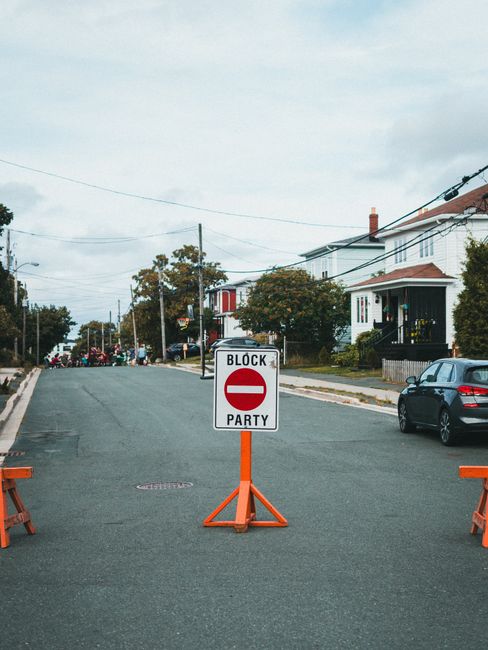
Do I need a road closure for a Strawberry Hill move?
Posted on 05/07/2026
If you're planning a move in Strawberry Hill, you may be wondering whether a road closure is actually needed or whether a sensible parking plan will do the job. The short answer is: for most home moves, you do not need a full road closure, but in some very specific situations it can make the day smoother, safer, and far less stressful. The real question is not just "can I move without one?" but "what level of access control do I need so the move doesn't turn into a mess at the kerb?"
In a place like Strawberry Hill, that decision often depends on the street layout, how long the vehicle will need to stay put, whether the road is narrow, and how much furniture is being shifted. If you're dealing with a tight terrace, a large house move, or awkward access near station traffic, it pays to think ahead. This guide breaks it all down in plain English, so you can make a calm decision without overcomplicating things.
Why Do I need a road closure for a Strawberry Hill move? Matters
For most people, this question comes up because moving day already feels busy enough. Boxes everywhere, the kettle packed away too early, someone asking where the tape is, and a van trying to park without blocking the street. Lovely. The last thing you want is a moving vehicle stuck halfway onto the pavement, with neighbours trying to squeeze past and the clock quietly ticking.
A road closure matters because access affects everything: loading speed, safety, neighbour relations, and whether the removal team can work efficiently. If a van can park close to the property, the move usually becomes simpler. If the road is narrow or heavily used, things get more complicated fast. That's especially true where turning space is limited or on streets that already feel tight at school-run or station-commuter times.
In practice, a road closure is rarely the first option. Most moves are better handled through parking control, temporary access arrangements, or careful timing. But when a street is so restricted that a vehicle cannot reasonably load or unload without causing a hazard, a closure may be the safer route. If you're weighing up access issues more broadly, our guide to navigating tricky house-move access in Strawberry Hill is a useful companion read.
Key point: the need for a road closure usually comes down to risk, space, and traffic impact rather than the move itself.
How Do I need a road closure for a Strawberry Hill move? Works
The process is simpler than many people expect, although the details can vary. A road closure is usually a temporary restriction placed on a road or section of road so that moving activity can happen more safely. In real life, that might mean no through-traffic, controlled access, or a planned period where only specific vehicles are allowed to enter.
For a domestic move, a closure is usually considered only if the road is too narrow for safe two-way movement, if the property has no practical loading space, or if large items need time and room to move in and out. A standard move often works better with a reserved parking spot or a sensible set-down point. A full closure is the heavier hammer, so to speak.
Here's the practical flow most people follow:
- Assess the street width, traffic levels, and where the van can actually stop.
- Check whether loading can be done safely without blocking essential access.
- Decide whether parking management is enough or whether stronger access control is needed.
- Plan the timing so the move avoids the busiest part of the day.
- Make sure the removal team knows the access route, stairs, and any awkward turns.
If you're still in the planning stage, it helps to tidy up the move first. A bit of decluttering can reduce the number of trips and shorten the time the vehicle needs to stay in place. Our article on decluttering before moving day fits neatly into that stage, and so does our stress-free house moving advice.
One small but important point: a road closure does not magically solve poor planning. If the boxes are badly packed, the sofa is too wide for the staircase, or the crew arrives with no access note, the day can still wobble. It's a tool, not a cure-all. Bit annoying, but true.
Key Benefits and Practical Advantages
When a closure is genuinely justified, the benefits can be very real. The biggest one is safety. A moving day creates movement in all directions: people carrying items, doors opening, trolleys rolling, and vehicles edging in and out. Reducing passing traffic helps prevent near misses and awkward bottlenecks.
There is also the time factor. If the vehicle can remain in position without cars trying to squeeze around it every few minutes, loading usually becomes more orderly. That means fewer delays, less lifting under pressure, and fewer "we'll just move that again" moments. Nobody enjoys re-handling the same chest of drawers three times because a passing car forced the van to shift.
Other practical advantages include:
- Cleaner access: less confusion over who can pass and where items should be placed.
- Better control: the team can organise loading sequences properly.
- Lower stress: you're not juggling traffic, neighbours, and furniture at the same time.
- Reduced damage risk: fewer rushed manoeuvres means less chance of scrapes and knocks.
- Clearer communication: everyone knows where to park, wait, or enter.
That said, a closure is only beneficial if the street really needs it. If a good parking plan works, that's usually the more proportionate choice. A smart move is often a simple move, not a dramatic one.
| Option | Best for | Main advantage | Possible downside |
|---|---|---|---|
| Standard street parking | Simple moves with reasonable access | Quick and low-hassle | May be difficult on busy streets |
| Reserved loading space | Moves needing a reliable set-down point | Improves efficiency without full closure | Still depends on local availability |
| Temporary road restriction or closure | Narrow roads, heavy furniture, or safety-sensitive access | Maximum control over the move zone | More planning and potential disruption |
Who This Is For and When It Makes Sense
This is most relevant if your move involves a street where access is already tight. That might be a narrow residential road, a home close to the station, or a property with limited front access. In those cases, you're really asking whether the vehicle can load without disrupting the road or creating a safety issue.
It can also make sense for:
- large family house moves with lots of furniture
- flat moves where the van must park very close for speed
- moves involving pianos, large sofas, or heavy wardrobes
- office relocations with multiple items coming out at once
- same-day moves where timing is tight and access needs to be predictable
For example, if you're moving from a flat with stairs and a tight landing, the road issue may be only part of the picture. You may also need a smarter loading plan and a team that understands awkward furniture handling. Our guide to moving bulky furniture safely on stairs is a solid reference, and the same logic applies to more specialised items like pianos, which are often better handled with expert support through professional piano moving advice.
Truth be told, most people only need a road closure if the move is complex enough that "just park outside" becomes unrealistic. If your van can stop legally and safely, and the crew can work without obstructing essential access, that is often enough.
Step-by-Step Guidance
Here's a practical way to decide whether a road closure is necessary. Keep it simple. The best decisions usually come from looking at the street properly, not guessing from memory on a rainy Tuesday evening.
- Check the street width and traffic flow. Can a van stop without forcing other vehicles into dangerous manoeuvres?
- Look at the access point. Is there a driveway, forecourt, loading bay, or a place where items can be placed safely near the door?
- Measure the items that matter. Large sofas, wardrobes, mattresses, and pianos can change the access question entirely.
- Think about timing. School runs, commuter periods, and weekends can all affect how difficult the move feels.
- Estimate loading time honestly. A well-packed one-bed flat is different from a full house with awkward furniture.
- Review safety risks. Are pedestrians being forced into the road? Are crew members crossing traffic repeatedly?
- Decide on the least disruptive option. Often that will be timed parking, not a closure.
In our experience, people underestimate how long the loading stage takes when the access is awkward. One van parked slightly too far away can add surprising strain, especially if you're carrying boxes one by one. If you want to reduce that burden, a good packing system matters more than people think. You can find practical ideas in these packing approaches for moving with ease.
For more awkward items, it also helps to decide in advance what should be dismantled, wrapped, or moved separately. If you've got a bed frame and mattress to move, this can save a lot of faff. Our guide on moving beds and mattresses without hassle is especially useful there.
Expert Tips for Better Results
The best moves are usually the ones where the access issue is solved before moving day, not during it. A little planning goes a long way. Here are a few tips that make a real difference.
- Walk the route in daylight. You'll notice things you miss at night, like tight corners, parked cars, and low branches.
- Keep loading zones short and tidy. If the front path is cluttered, even the best parking plan becomes clumsy.
- Use the right equipment. Dollies, blankets, straps, and proper boxes reduce handling time and protect items.
- Prioritise heavy items first. That prevents last-minute rushing when everyone is tired.
- Communicate clearly with neighbours. A heads-up can avoid unnecessary friction. Sometimes a kind note is enough, honestly.
There's also a physical side to this. If the move involves repeated lifting, don't just "wing it". Good body mechanics matter. Our article on lifting heavy objects solo and the more technical kinetic lifting techniques both help explain how to reduce strain without turning the day into a gym session. And let's be fair, moving day already feels like a workout nobody signed up for.
If you are storing items temporarily because access is too tight or timings are awkward, it may be worth looking at sofa storage solutions or broader storage options in Strawberry Hill. That can remove pressure from a narrow-street move and make the whole process calmer.

Common Mistakes to Avoid
Most road-closure headaches come from avoidable mistakes, not from the idea itself. The first mistake is assuming a closure is needed simply because the move feels big. Size matters, yes, but access is the real deciding factor.
The second mistake is ignoring timing. A quiet road at 10:30 a.m. can feel very different at 8:15 a.m. or school-home time. If you don't factor in traffic patterns, you may end up creating the very congestion you were trying to avoid.
Other common slips include:
- not checking whether the vehicle can legally stop where you planned
- forgetting to tell the removal team about tight corners or low entry points
- packing too many small items loosely, which slows down the loading sequence
- leaving bulky waste or old furniture to deal with on the same day
- assuming neighbours will be fine with a blocked pavement for hours
That last one causes more tension than people expect. If you're clearing out unwanted items after the move, plan for disposal separately. A useful starting point is post-move bulky waste disposal in Strawberry Hill, because you do not want to be staring at an old wardrobe while the van is waiting at the kerb.
Another easy mistake is leaving cleaning until the last minute. A clean, uncluttered property speeds everything up. If you want a practical prep routine, see how to systematically clean your home before moving. Small thing, big payoff.
Tools, Resources and Recommendations
You don't need a mountain of specialist kit, but the right basics make the day smoother. Good moving equipment reduces the need for a closure because it speeds up loading and limits the time a vehicle must stay parked in one place.
Useful items include:
- strong moving boxes in mixed sizes
- packing tape and labels
- furniture blankets or padded covers
- removal straps or lifting aids
- trolley or sack barrow for heavier items
- protective floor coverings for entryways
It can also help to have a clear service plan. If you're comparing help options, you might want to review the services overview, removal services in Strawberry Hill, or man with a van support in Strawberry Hill depending on the scale of the move. Different jobs need different levels of muscle and organisation. That's just life, really.
If you need something more tailored, especially for smaller relocations or tighter budgets, you may find man and van services, a removal van, or furniture removals in Strawberry Hill more appropriate than planning around a closure. The goal is always the same: get items moved safely, with the least disruption possible.
Law, Compliance, Standards, or Best Practice
For most readers, the legal question is not "Do I have to close the road?" but "What do I need to do to avoid causing a hazard or obstruction?" In the UK, moving activity should be planned with road safety, pedestrian access, and responsible vehicle use in mind. The exact permissions and controls can vary depending on the road, local authority expectations, and the type of restriction being proposed.
As a best-practice rule, it is sensible to treat a closure as the last step, not the starting point. If a load can be done safely with normal parking or a short loading arrangement, that will usually be more proportionate. If the move would create a dangerous obstruction, it may need a more formal access plan. Because local conditions vary, it's wise to allow enough lead time for checks and coordination rather than leaving it to the morning of the move.
From a professional standpoint, good compliance also includes:
- keeping walkways clear for pedestrians
- avoiding unsafe lifting or overreaching
- protecting property, vehicles, and shared access points
- ensuring any temporary arrangement is communicated clearly
- using insured, trained movers for heavier or awkward items
If you want to understand the broader care and safety expectations around moving work, health and safety policy guidance and insurance and safety information are worth reviewing before you commit to a plan.
Options, Methods, or Comparison Table
Here's the practical comparison most people need. It's less about which option sounds best on paper and more about what will actually work on your street, with your furniture, on your date.
| Method | Good choice when... | Pros | Cons |
|---|---|---|---|
| Standard move with normal parking | The street has enough space and traffic is manageable | Simple, flexible, usually cheapest | Can be awkward if parking is limited |
| Timed loading with controlled access | You need a reliable loading window but not full closure | Balanced and usually less disruptive | Needs good timing and coordination |
| Temporary road closure or restriction | The road is too tight or unsafe for normal loading | Best for difficult access and safety | More planning, more disruption, not always necessary |
There's no universal winner. A small flat move on a quiet street might need nothing more than decent timing and strong packing. A bigger move near a narrow road or station area may need more control. If you're still deciding on the overall setup, our removals service in Strawberry Hill and house removals support may be the better fit than trying to engineer a road restriction you don't truly need.
Case Study or Real-World Example
Picture a typical Strawberry Hill morning: a two-bedroom move on a residential street with parked cars along one side, a narrow carriageway, and a van that needs to stay near the front door. The family has a sofa, dining table, beds, boxes, and a couple of awkward floor lamps that seem to take up more room than they should. Nothing dramatic, but enough to make access important.
In that situation, the first move is usually not a road closure. It's a better plan. The team checks whether the van can sit close enough for loading, whether the neighbours can be informed, and whether the larger items can be brought out in sequence. The sofa comes out first, then the heavier furniture, then boxes, so the vehicle space is used efficiently. The job is finished without turning the road into a small war zone.
Now imagine the same property but with an especially narrow street, poor turning space, and timed parking already under pressure from nearby traffic. Suddenly, a short closure or more formal restriction may become more sensible because the risk and inconvenience are no longer minor. The issue is not whether the move is "big enough" in a general sense. It is whether the street can safely cope.
That is why local context matters so much. One move can be routine; another can be a logistical puzzle. If you want more context on a particularly constrained route, this narrow-street move plan for Pope's Grove gives a good sense of how access decisions change street by street. And if the move is near busier transport links, the timing advice in our Strawberry Hill station parking tips is worth reading.
Practical Checklist
Use this before you decide whether you need a road closure for your Strawberry Hill move. It's simple, but it catches a lot of the stuff people forget.
- Have I checked whether the van can park safely near the property?
- Is there enough room for loading without blocking pedestrians?
- Are there any very large or awkward items that slow the move down?
- Will the timing clash with commuter traffic, school runs, or busy local periods?
- Have neighbours or nearby residents been considered?
- Do I need normal parking control rather than a full closure?
- Is the access route clear inside the property as well as outside it?
- Have I packed and labelled things so loading will be efficient?
- Do I have a plan for unwanted furniture or bulky waste after the move?
- Is the moving team aware of stairs, narrow doors, or other access issues?
If a few of those answers are shaky, don't panic. That just means the plan needs tightening. You'll notice the whole move feels lighter once the access question is answered properly.
Conclusion
So, do you need a road closure for a Strawberry Hill move? Usually, no. Most moves can be handled with good timing, sensible parking, and a clear loading plan. But if the street is narrow, the access is tight, or the safety risks are higher than normal, a more controlled arrangement may be the right decision.
The best approach is to match the solution to the street, not to the stress level of the day. That way, you avoid both overcomplicating the move and underestimating the access problem. A calm plan, a realistic loading setup, and a bit of local know-how can save you a lot of trouble. And on moving day, that really counts.
If you're planning a move in Strawberry Hill and want a practical, no-nonsense approach to access, parking, and loading, it's worth thinking through the details early rather than hoping everything will sort itself out at the kerb.
Get a free quote today and see how much you can save.