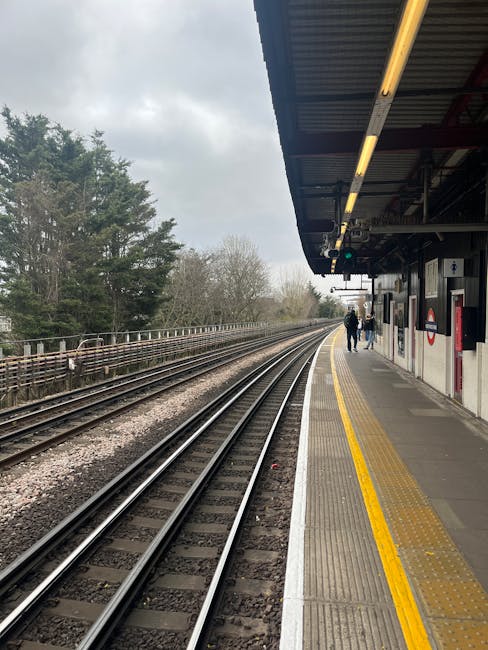
Strawberry Hill station moves: parking & timing tips
Posted on 14/05/2026
Moving near Strawberry Hill station can feel simple on paper and slightly chaotic in real life. The roads are busy at the wrong times, parking can disappear fast, and one delayed handover can throw the whole day off. If you are planning a flat move, a student move, or a full house relocation near the station, the details matter more than people expect.
This guide to Strawberry Hill station moves: parking & timing tips is built for that exact problem. It explains how to plan loading space, choose the best time window, avoid avoidable parking headaches, and keep the move calm enough that you are not still hunting for a space while the kettle boxes are already on the pavement. To be fair, that is usually where the stress starts.
Along the way, you will also find practical links to packing, lifting, cleaning, and service pages that can make the whole process easier. Because a station-area move is not just about getting things from A to B. It is about timing, access, and not making life harder than it needs to be.

Why Strawberry Hill station moves: parking & timing tips Matter
Station-adjacent moves are a different beast from a quieter suburban removal. Near Strawberry Hill station, you are dealing with a mix of commuter traffic, residential parking pressure, narrow windows for loading, and the usual unpredictability of London streets. Even a short move can become messy if the van cannot stop close enough to the property or if your chosen time clashes with peak footfall.
That is why planning the parking and the timing together is so important. They are not separate tasks. If you secure a parking spot but arrive too late, someone else may take it. If you arrive at the perfect time but your boxes are not ready, you can end up paying for delays or making several extra trips. No one enjoys that little spiral.
For people moving from a flat above a shop, a converted terrace, or a maisonette close to the station, the issue is usually less about distance and more about access. A good plan reduces carrying time, protects furniture, and keeps the removal team from working around avoidable obstacles.
It also helps you make better decisions about the type of service you need. For example, if your move has tight access and limited parking, a dedicated man with a van in Strawberry Hill or a more structured removal service may be more practical than trying to improvise on the day.
How Strawberry Hill station moves: parking & timing tips Works
The basic idea is straightforward: plan the loading zone first, then plan the move around it. In practice, that means looking at where the van can legally and safely stop, how long loading is likely to take, and which hours are least disruptive for both you and the street.
Most station-area moves work best when broken into three parts:
- Access planning - work out where the vehicle will stop, where items will be carried from, and whether steps, tight corners, or shared entrances could slow things down.
- Timing planning - choose a start time that avoids the busiest local traffic and gives you enough daylight if the move is likely to run long.
- Load sequencing - pack and stack items so the first things needed at the destination are loaded last and unloaded first. That sounds obvious, but it is often where people slip up.
Near Strawberry Hill station, small timing differences can make a real difference. A morning slot may be better for access, but not if it clashes with school runs or commuter traffic. A mid-afternoon move might feel calmer, though you should think about how much daylight and energy you will have left. In winter, that matters. You do not want to be wrestling a mattress in near-darkness while everyone is wondering where the tape dispenser has gone.
The best approach is usually to build in a buffer. If you think the loading will take 45 minutes, plan for an hour. If you think the route will be clear, assume there could be a hold-up. That little bit of slack saves a lot of grief.
If you are still in the sorting stage, it may help to read how to declutter before moving so you are not paying to move things you no longer need. Less stuff means less load time, which means less pressure on the parking window. Handy, really.
Key Benefits and Practical Advantages
Getting parking and timing right does more than protect your schedule. It changes the whole tone of the day.
- Shorter carrying distances - a well-placed van means fewer trips, less fatigue, and lower risk of damage.
- Lower stress - when the parking plan is clear, you are not making quick decisions under pressure.
- Better protection for items - furniture, mirrors, and appliances are less likely to be bumped or dropped when the route is direct.
- More accurate scheduling - your removal team can estimate the job more realistically if access is known in advance.
- Reduced disruption to neighbours - quieter, smoother loading is usually appreciated in busy residential streets.
There is also a commercial advantage if you are comparing quotes. A team that understands station-area access can give you a more realistic price and time estimate than one that assumes easy parking everywhere. That is why service pages like pricing and quotes are worth reviewing early, not at the last minute.
And if your move involves larger items, such as wardrobes or awkward sofas, the benefits multiply. Good timing and good parking help protect both the item and your back. More on that in a moment.
Who This Is For and When It Makes Sense
This kind of planning is useful for almost anyone moving near the station, but it is especially helpful if you are in one of these situations:
- moving from or into a flat with limited resident parking
- living in a street where commuters often use nearby spaces
- handling a same-day move with little room for delay
- moving student accommodation, where timing and access tend to be tighter
- relocating bulky furniture or fragile items that cannot be left waiting on the pavement
- trying to coordinate cleaners, key handover, and removals all on the same day
If any of that sounds familiar, you are in the right place. The planning advice here is especially relevant for people moving out of compact homes, shared houses, or upper-floor flats. It is also useful if you are coordinating professional help, because a team can work faster when they know exactly what kind of access they are walking into.
For student moves, the combination of lighter loads and tighter timings can be deceiving. A handful of boxes sounds quick until you realise the parking space is two streets away. If that is your situation, have a look at student removals in Strawberry Hill for a service that suits shorter, more time-sensitive moves.
And if you are moving a full family property, then planning is even more important. A bigger move with station-side access is not the moment to wing it. Lets face it, the van only gets one chance to arrive in the right place.
Step-by-Step Guidance
Here is a practical way to organise the move without turning the morning into a scramble.
1) Check the access at both ends
Start with the basics. Where will the van stop? How far is the carry from the property door to the vehicle? Are there low branches, bollards, gate codes, or a tight turning circle to consider? If you have not walked it recently, do a quick recce the day before. Ten minutes outside with a notebook can save an hour later.
2) Decide your loading window
Pick a window that gives you enough space to load without fighting peak traffic. Early morning is often the quietest for loading, though not always the best for everyone if you have children, work calls, or lift access restrictions. Mid-morning is often a good compromise. The point is not to choose the "perfect" time; it is to choose the most workable one.
3) Match the van size to the access
A larger vehicle can be efficient, but only if it can stop close enough to matter. If access is tight, a slightly smaller removal van may actually be more practical than a bigger one that cannot park sensibly. A flexible removal van in Strawberry Hill can be a smarter fit for narrow streets and shorter carrying distances.
4) Pack in unload order
Put essentials where they can be reached first. Think kettle, chargers, cleaning items, bedding, and basic tools. If you want a smoother start, read packing approaches that make moving easier. Small packing decisions matter more than people think. They really do.
5) Reserve help for the awkward bits
If you have a sofa, piano, heavy bed frame, or awkward wardrobe, do not assume two people and enthusiasm will be enough. Sometimes it is; sometimes it is not. If you need guidance on handling bulky items, these articles are useful: lifting heavy objects safely and moving a bed and mattress without hassle.
6) Keep the first hour uncluttered
Do not schedule lots of other tasks at the same time. If the key handover, final clean, or bin run all collide with loading, the day can get messy quickly. If there is one simple lesson here, it is this: protect the first hour.
Expert Tips for Better Results
Over time, the same patterns show up again and again in station-area moves. A few small choices go a long way.
- Print or save your move plan so details are easy to check on the day.
- Label boxes by room and priority rather than just by contents.
- Use temporary parking solutions only where lawful and always verify local requirements before assuming anything.
- Keep cashless payment and contact details ready if you are working with a removal team.
- Wrap delicate items before the van arrives, not after. That delay is where cracks happen.
- Think about weather; rain changes carrying time, grip, and the general mood of the day. A wet pavement is not your friend.
If you are storing furniture between moves, the timing story changes a little. You may be able to separate the access problem from the unloading problem by using storage in Strawberry Hill. That can be especially useful if keys, completion times, or handover windows are uncertain.
For larger or more awkward furniture, it is often worth checking furniture removals in Strawberry Hill too. A team used to bulky items will usually move faster and with fewer surprises. That matters when the parking clock is ticking.
One practical habit I always recommend: keep a small "move first" bag with phone chargers, snacks, tape, bin bags, wipes, and a pen. It sounds basic. It is basic. But basic things save the day.
![A narrow residential street with a paved road and tiled sidewalk, featuring a historic, Victorian-style house with a steeply pitched slate roof, ornate chimney stacks, and bay windows enframed by decorative stonework. The house is located behind a black wrought iron gate and fence, with a small garden and trees providing greenery around the property. To the right, a red brick wall with a street sign reading 'Branch Hill N.W.3' marks the boundary of the property. A tall, leafy tree towers behind the house, casting dappled shadows on the street and building. The scene is illuminated by bright daylight, clearly showing the textures of brick, slate, and foliage. Occasionally, [COMPANY_NAME] may assist in home relocation or furniture transport, involving careful packing and loading processes, as seen in the environment's organized and secure setting.](/pub/blogphoto/strawberry-hill-station-moves-parking-timing-tips2.jpg)
Common Mistakes to Avoid
A lot of move-day problems are preventable. Usually it is not the big things that cause trouble; it is the small assumptions.
- Assuming parking will be available just because it was quiet the night before.
- Arriving too late in the day and finding that access is worse than expected.
- Not checking for permit or loading restrictions around the property.
- Leaving fragile items unwrapped because you think they will "be fine for now".
- Underestimating the carry distance from flat to van.
- Forgetting to clear stairwells and hallways, which slows everything down.
- Trying to move too much yourself before the van even arrives.
There is also a common emotional mistake: trying to do the whole move in your head. That rarely works. Write it down. Put the timing on paper. Make the access plan visible. Sounds obvious, but people skip it all the time.
If you want to reduce the load before move day, a good place to start is cleaning systematically before moving. A tidy route and clear rooms make parking and loading far less awkward.
And if you are wondering whether to move some items yourself or leave them to professionals, the comparison in DIY versus expert piano moving offers a useful way to think about risk, effort, and when specialist help is worth it.
Tools, Resources and Recommendations
You do not need a van full of gadgets, but a small set of well-chosen tools makes a station-area move much smoother.
| Tool or Resource | Why It Helps | Best Used For |
|---|---|---|
| Strong tape and labels | Keeps boxes secure and easy to sort | Fast loading and faster unpacking |
| Furniture covers or blankets | Reduces scuffs, dust, and rain exposure | Sofas, tables, wardrobes, mattresses |
| Trolley or sack truck | Limits heavy lifting and speeds up transfers | Appliances, box stacks, awkward items |
| Essential bag | Keeps immediate-use items together | Keys, documents, tea kit, chargers, tools |
| Local removal support | Brings experience with access, parking, and load order | Short-notice, larger, or awkward moves |
For a broader view of what can be arranged, the services overview is a good starting point. If you are comparing options, the page for man and van services in Strawberry Hill may suit smaller or more straightforward moves, while house removals is better for a fuller relocation.
For anyone worried about care and responsibility, the support pages are worth a look too: insurance and safety, health and safety policy, and about us. Not flashy pages, but useful ones.
Law, Compliance, Standards, or Best Practice
Any move involving parking should be handled with care and a bit of common sense. Local parking rules, loading restrictions, access limits, and permit requirements can vary by street and time of day, so it is always sensible to check the current rules before the move. That includes any restrictions near the station where footfall and traffic can be higher than expected.
From a best-practice perspective, the aim is simple: avoid blocking traffic, avoid unsafe loading, and avoid assuming that a convenient space is automatically okay to use. If a stop looks doubtful, treat it as doubtful. That is usually the safe choice.
For business moves or office relocations, the same principles apply, just with more moving parts. If you are shifting desks, files, or equipment near the station, consider a specialist office removals service in Strawberry Hill so timing and access are handled with fewer surprises.
It is also wise to review the company's terms and support pages before booking. Practical pages like terms and conditions, payment and security, privacy policy, and accessibility statement help set expectations. If anything ever goes wrong, it is useful to know the process in advance through the complaints procedure.
There is one more sensible best practice: if a move feels too complex for one vehicle, one driver, or one time slot, slow it down and split it. That is not failure. That is good planning.
Options, Methods, or Comparison Table
Different moves need different approaches. A quick comparison can help you choose the right level of support.
| Option | Best For | Strengths | Watch Outs |
|---|---|---|---|
| DIY move with hired van | Small loads, flexible schedules | Lower upfront spend, full control | You handle parking, lifting, delays, and risk |
| Man and van service | Shorter local moves, limited access | Fast, flexible, practical for station streets | May not suit very large household moves |
| Full removal team | House moves, bulky furniture, busy access | More hands, better sequencing, less strain | Needs firmer scheduling and clearer planning |
| Same-day support | Urgent or time-pressured moves | Quick response when plans change | Availability can be tighter at short notice |
If the move is especially tight on timing, a same-day removals service in Strawberry Hill may be the cleanest solution. That said, same-day help works best when you have already done some prep. Packing half the kitchen while waiting for the van is a bit of a headache, truth be told.
For those comparing broader moving options, removal companies in Strawberry Hill can be worth reviewing alongside removals in Strawberry Hill. It helps to think in terms of access, item type, and schedule rather than just the headline service name.
Case Study or Real-World Example
Imagine a one-bedroom flat a short walk from Strawberry Hill station. The occupier has a sofa, bed, boxed kitchen items, and a couple of awkward mirrors. The key handover is mid-morning, and the road outside usually has commuter parking pressure until around late morning. Nothing dramatic, but enough to make the move awkward if left to chance.
The best plan in that situation would usually look something like this:
- pack and label everything the day before
- move fragile items to one safe corner for quick loading
- confirm the nearest practical stopping point for the van
- book the move for a quieter window rather than a rush-hour one
- keep the first room at the new property ready for essentials
In a real move like this, the difference between an organised window and a loose one can be huge. If the van is parked well, the sofa goes straight on. If the parking is off by even a small amount, the carry becomes slower, the lift becomes more awkward, and the mood changes. Not dramatically. Just enough. You can feel it.
If a large sofa or mattress is part of the plan, review sofa storage solutions or read up on bed and mattress moving tips if you need a little extra confidence before the big day.
The key takeaway from this kind of example is simple: a small station-side move can still become complicated if the access plan is vague. A clear plan keeps it steady.
Practical Checklist
Use this checklist to keep your move organised. It is not fancy, but it works.
- Confirm the moving date and key handover time
- Check where the van can legally and safely stop
- Review local parking and loading restrictions
- Choose a realistic loading window with buffer time
- Pack essentials separately for quick access
- Label boxes by room and priority
- Protect fragile and heavy items before move day
- Clear hallways, stairwells, and entry points
- Keep contact details, keys, and payment info ready
- Plan for rain, delays, and a slightly slower pace than expected
If you are still early in the process, it can help to read how to move house without the stress. It pairs well with this guide because it keeps the overall move calmer while the parking and timing details are being sorted.
And if you need packing supplies, do not leave them to the last minute. The page on packing and boxes in Strawberry Hill is a useful place to start before the boxes pile up in the hallway like an accidental art installation.
Conclusion
Moves near Strawberry Hill station work best when parking and timing are treated as part of the move, not as an afterthought. That one shift in planning can save you carrying distance, reduce stress, and stop a small local move from turning into a long, tiring day. Get the access right, choose a sensible time window, and prep the load properly. That is the core of it.
Whether you are moving a flat, a family home, a student room, or a few valuable items, the same principle applies: better timing and better parking lead to a smoother move. Simple, but powerful.
If you want a smoother local move, speak to a team that understands the realities of station-side access, loading windows, and busy streets.
Get a free quote today and see how much you can save.
And if you are still standing in the doorway with half a box of cables and a mug you have not packed yet, take a breath. You are closer than it feels.